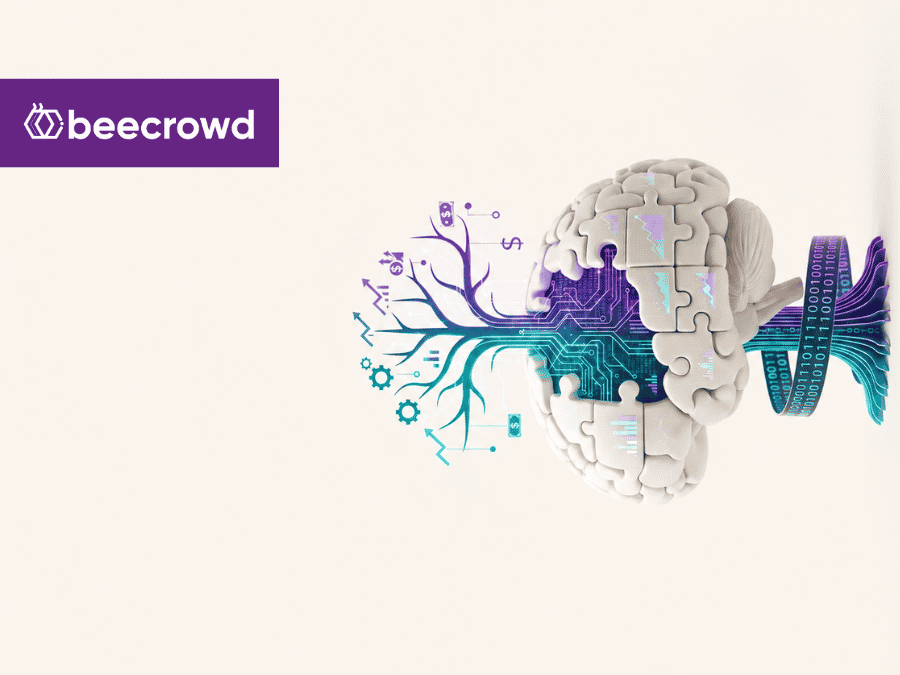
For decades, the human brain remained a mystery. However, today, artificial intelligence (AI) and neural networks aim to replicate its logic through code. But what makes this technology so powerful, and how can developers apply it?
What are neural networks, really?
Artificial neural networks are mathematical models inspired by the brain. They learn from data by adjusting internal “weights” after every hit or miss. This learning process, known as supervised learning, is crucial for tasks like image recognition, natural language processing, and decision-making.
Why does it matter to devs?
Intelligent systems are now part of our daily lives—from virtual assistants to recommendation engines. Therefore, understanding how neural networks work is no longer optional. Even if you’re not a data scientist, knowing how convolutional or recurrent networks function can help you build better integrations with AI.
Moreover, tools like TensorFlow, Keras, and PyTorch make AI more accessible. With a few lines of code, you can train models that identify patterns and make informed predictions.
When (and why) not to use them?
Despite their benefits, neural networks are not always the best solution. They often require large datasets, can be computationally expensive, and sometimes lack transparency. Depending on the context, simpler models like decision trees or logistic regression may still be the better option.