In recent years, AI has moved beyond being just a technological promise to playing a central role across various sectors. In recruitment and selection, its impact is already visible and is expected to intensify in the coming years, reshaping roles, responsibilities, and expectations around talent management.
Recruitment Learning Agents
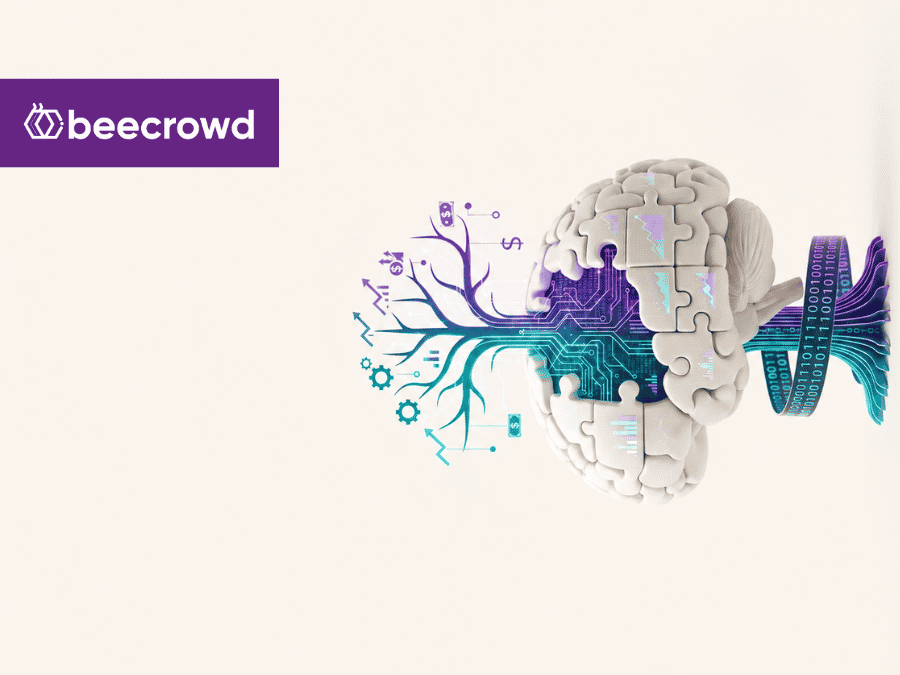
One of the most relevant examples of this transformation is the emergence of recruitment learning agents. Unlike traditional screening, these systems learn from historical data, interactions, and past outcomes to identify success patterns and recommend candidates more accurately. By analyzing large volumes of resumes quickly and efficiently, they prioritize candidates based on skills, experience, and even cultural fit, making the process fairer and more consistent. Moreover, they act as intelligent partners for HR teams, automating repetitive tasks and freeing up time for more strategic and human-centered decisions.
AI Doesn’t Replace, It Enhances
It’s important to understand that AI doesn’t replace recruiters—it enhances their role. According to LinkedIn (2024), the recruiter of the future will be increasingly strategic, delegating tasks like screening, pre-assessment, scheduling, and initial communication to technology. This allows human capital to focus on building lasting relationships with talent, strengthening employer branding, and supporting critical hiring decisions. Technology thus expands the reach and efficiency of human work without compromising the empathy and sensitivity needed to deal with people.
The Journey of the Future Professional
In practice, recruiters themselves must reinvent their roles. Mastering AI tools has become an essential skill, and the data supports this trend. A survey by ResumeBuilder (2024) shows that 51% of companies already use AI in recruitment processes, and this number is expected to reach 68% by the end of 2025.
Another study by Sense (2025) reveals that 57% of companies use AI to generate content, 38% to automate communications, and 28% to match candidates with job openings.
Mordor Intelligence projects that the global AI recruitment market will surpass $1 billion by 2030.
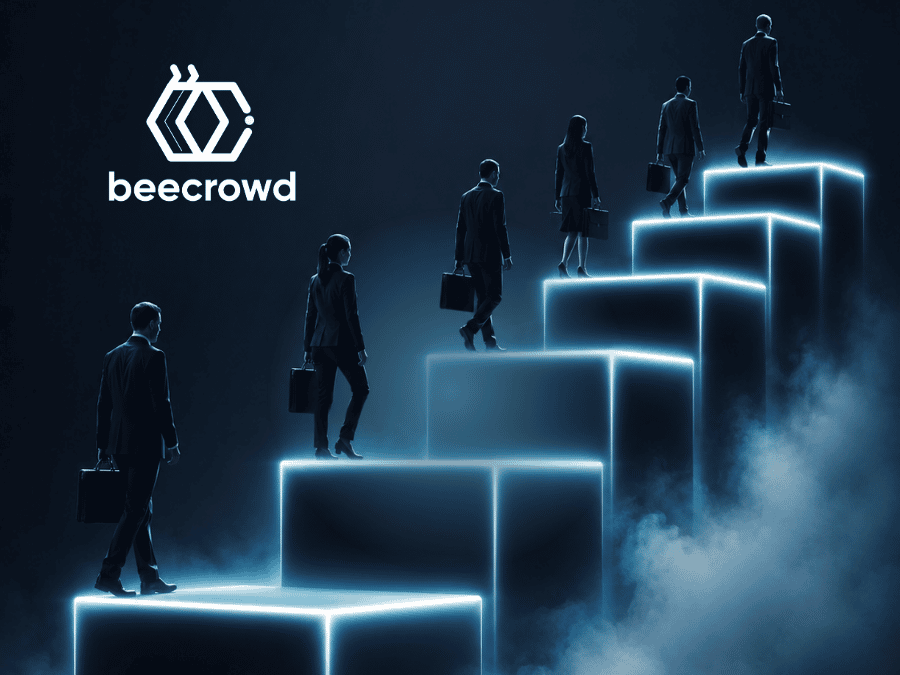
This scenario shows that the recruiter of the future must combine data analysis, strategic thinking, and ethical leadership, while maintaining empathy and human connection—essential differentiators in talent relationships.
The Recruiter as an AI Specialist
In this context, the recruiter evolves into the role of AI Recruitment Specialist, a position that blends HR expertise with technological skills. Market trends reinforce this shift. Exame highlights AI specialists as one of the careers of the future, expected to generate a significant number of new jobs by 2027. The World Economic Forum forecasts a 30% increase in demand for AI specialists over the next five years. Complementing this outlook, analyses from RH Pra Você and Distrito indicate that AI is deeply transforming the market and creating strategic roles within HR.
The responsibilities of this new profile are broad: implementing and managing AI tools, analyzing talent metrics to generate strategic insights, optimizing processes through task automation, aligning recruitment with organizational goals, and training HR teams in ethical technology use. Key skills include digital literacy, data analysis, strategic vision, and above all, soft skills that reinforce the human dimension of the process.
The Future Has Already Begun
According to Sequoia Capital, we are transitioning into a “new act” of technology, where intelligent systems not only perform tasks but anticipate business needs. In HR, this means adopting solutions that predict hiring demands based on data, design personalized career plans, and identify emerging skills before they become trends.
beecrowd’s Role
In this evolution, AI should not be seen as a threat but as a turning point capable of transforming recruitment into a driver of innovation and organizational growth. That’s where beecrowd positions itself as a strategic partner. With a global community of over 1.2 million professionals, the platform offers automatic candidate pre-qualification, AI Matching tools that quickly connect job openings with the most suitable profiles, reducing hiring time by up to 50% and achieving over 90% accuracy in candidate-job alignment.
More than choosing between people or technology, the central question is how to enhance human connections with the support of Artificial Intelligence. For this, HR professionals must be prepared to enable more strategic, assertive, and human experiences—with technology as the foundation for a future that is already taking shape.

Carla Catelan is Director of Talent Acquisition for the Americas at ThoughtWorks. With over 20 years of experience in HR, she has a broad background in areas such as Talent Acquisition, Diversity & Inclusion, and Business Partnering. She is a specialist in large-scale and niche-skill recruitment. Carla is also an Independent Advisor – Talent Acquisition at beecrowd. Learn more about the author at LinkedIn.