The Importance of Inclusive Development in the Digital Age
In today’s digital age, where technology influences nearly every aspect of life, inclusive development is no longer optional — it has become a strategic necessity. As we move toward an increasingly connected society, ensuring that everyone can participate in the digital environment is essential for fostering equity, innovation, and social progress.
What is inclusive development?
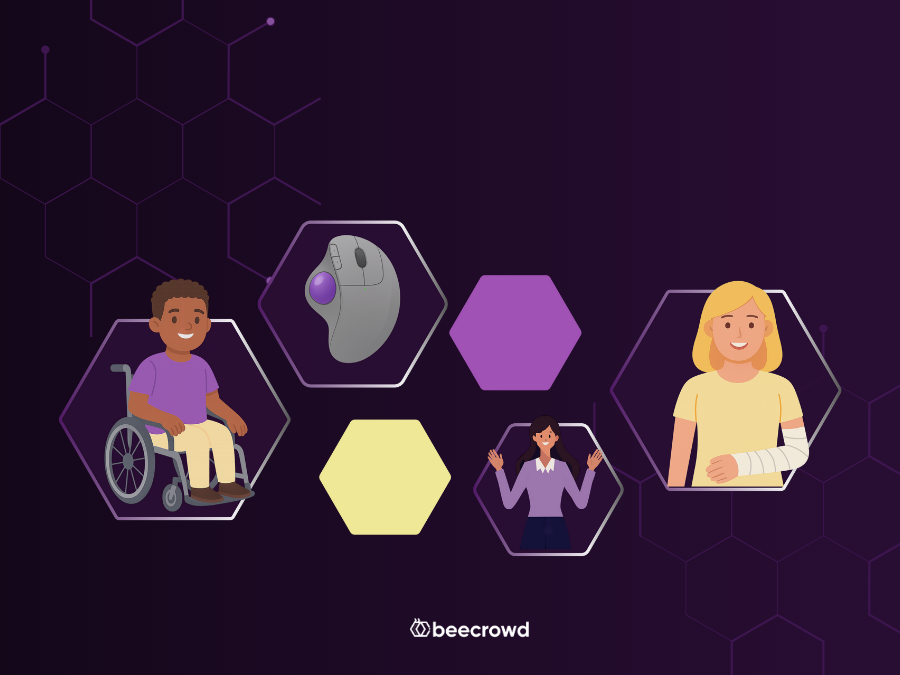
Inclusive development in the digital context means designing products, services, and experiences that reflect human diversity in all its forms — physical, cognitive, cultural, linguistic, and socioeconomic. In other words, it’s about creating solutions that work for everyone, including people with disabilities, older adults, marginalized communities, and users with limited access to technology.
Why is digital inclusion so relevant?
Digital inclusion goes far beyond internet access. It also involves developing digital skills, ensuring interface accessibility, and creating content that respects different contexts and needs. This is especially important because:
- It reduces social and economic inequalities by expanding access to education, healthcare, and job opportunities.
- It strengthens digital citizenship, allowing more people to engage actively in society.
- It drives innovation by incorporating diverse perspectives into technological solutions.
- It improves user experience, making products more intuitive and accessible for all.
Purposeful digital transformation
As companies and institutions adopt technologies such as artificial intelligence, automation, and digital platforms, it becomes crucial to embed inclusive design from the very beginning. This means applying principles like:
- Digital accessibility, ensuring websites and apps are usable by people with various disabilities.
- Universal design, which considers a wide range of human abilities from the start.
- Clear and inclusive language, respectful of different cultures, genders, and literacy levels.
Best practices for inclusive development
To foster a truly inclusive digital environment, it is recommended to:
Conduct accessibility audits on websites and systems.
Use semantic markup and proper structure (like H1, H2, alt text) to support screen readers.
Include diverse users in usability testing to ensure solutions meet varied needs.
Build multidisciplinary teams that bring different experiences and perspectives.